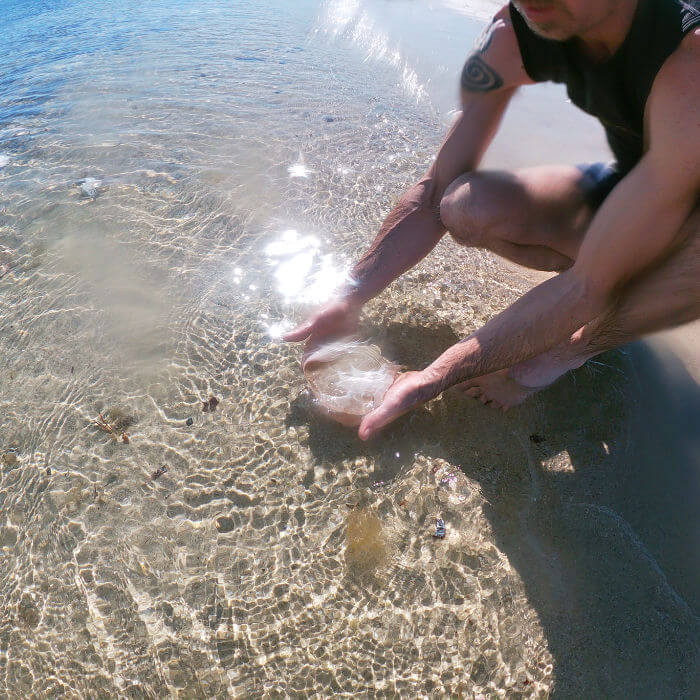

Saving and Protecting Marine Life Across Port Stephens
Sea Shelter and Irukandji Shark & Ray Encounters work together year-round to respond to injured, stranded and distressed marine animals along our coastline. From sea turtles and rays to sea snakes and other vulnerable species, our team provides critical care, rehabilitation and a safe pathway back to the wild. This page brings together our rescue mission, the marine life we support, and the impact of our work to protect Australia’s oceans.
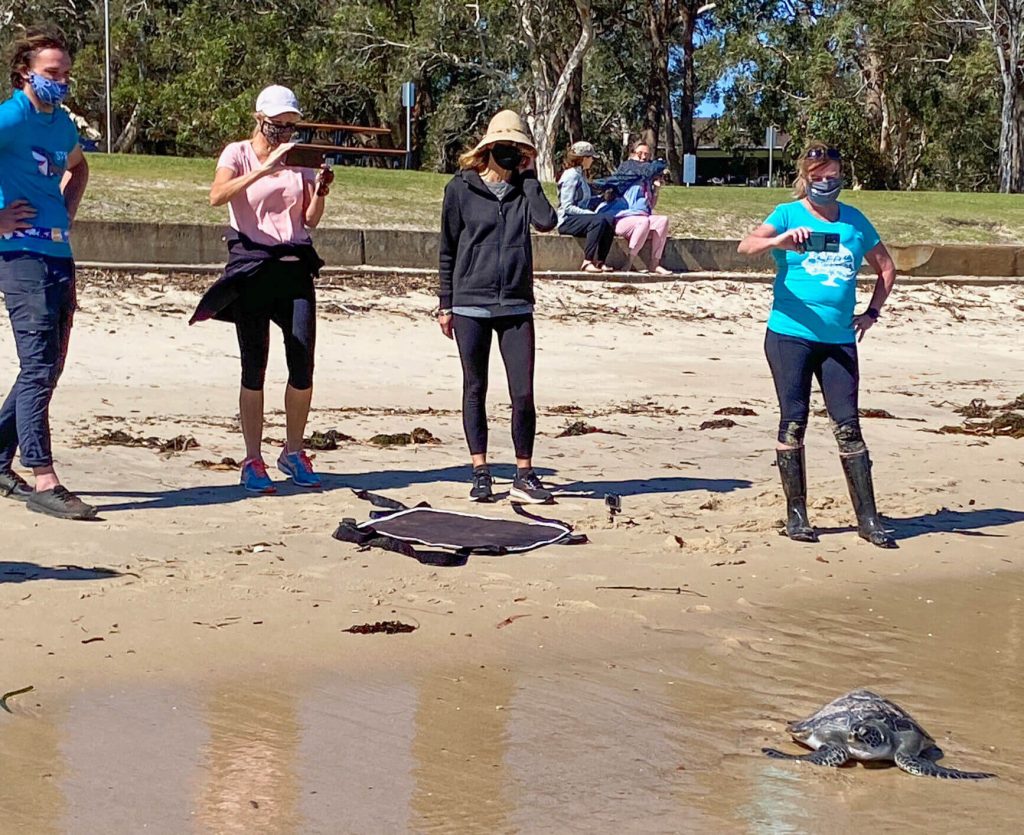
Every rescue helps protect our ocean’s future.
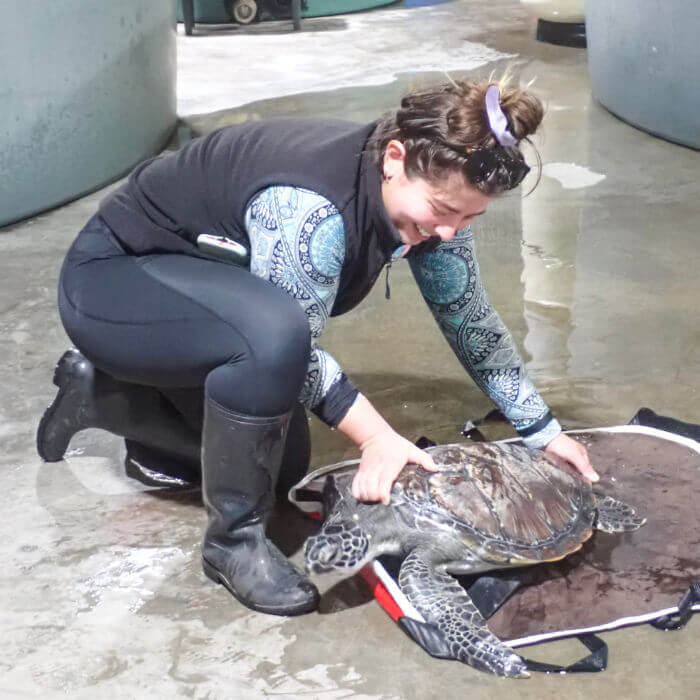
Rescue • Rehabilitation • Release Regeneration • Research
Every rescue starts with a call for help. Our team responds, assesses the animal and transports it to Irukandji’s specialised quarantine hospital for treatment and daily care. When fully recovered, the animal is released back into its natural habitat.
Sea Shelter and Irukandji carry out this work through five key pillars, rescue, rehabilitation, release, regeneration and research, each playing a vital role in protecting vulnerable marine life and supporting the long-term health of our oceans.
Rescue
Our team responds to calls about injured, stranded or distressed marine animals across Port Stephens and surrounding regions. Every rescue begins with rapid assessment, safe handling and transport to Irukandji’s rehabilitation facilities.
Rehabilitation
Inside our specialised quarantine hospital, animals receive professional veterinary care, supportive environments, tailored diets and daily monitoring. This stage is crucial for helping them recover from illness, injury or environmental stress.
Release
Once an animal has regained full strength and passed all health checks, we return them to the wild. Every release represents the successful completion of their recovery and contributes to the ongoing balance of our marine ecosystem.
Regeneration
Beyond rescuing individual animals, we restore and protect key habitats such as seagrass beds and coastal nurseries. Healthy habitats support healthy marine life, making regeneration essential for long-term conservation.
Research
We collect vital data, contribute to scientific studies and collaborate with marine researchers. Understanding why rescues occur — and how species are changing — helps us improve conservation outcomes and protect future generations of marine wildlife.
The Marine Animals We’ve Supported in 2025
Each rescue represents a unique story, from cold-stunned sea turtles to rays and sea snakes affected by injury, illness or environmental impacts. Below is a detailed look at the species that have come into our care so far in 2025, highlighting the range of animals that rely on our rescue, rehabilitation and release efforts.
Chelonia mydas
Green Sea Turtle
Hydrophis platurus
Yellow-bellied Sea Snake
Rhinoptera neglecta
Australian Cownose Ray
Chelodina longicollis
Eastern Long-neck Turtle
Aipysurus fuscus
Dusky Sea Snake
Hypnos monopterygius
Coffin Ray
Emydura macquarii
Murray River Turtle
Emydocephalus annulatus
Turtle-headed Sea Snake
How a Rescue Works
Every rescue follows a careful, specialised process designed to give each animal the best possible chance of survival. Our team works quickly and compassionately, combining field response with expert veterinary care at Irukandji’s rehabilitation facilities.
Rescue Call & Assessment
A member of the public, local authority or partner organisation reports an injured or stranded animal. Our team gathers details, assesses the situation and prepares for response.
On-Site Response
We attend the location to evaluate the animal’s condition, safely contain it and determine the immediate care required.
Transport to Irukandji
The animal is carefully transported to our quarantine and rehabilitation hospital, where it can be stabilised and examined.
Veterinary Treatment & Daily Care
Animals receive specialised treatment, supportive environments, tailored diets and ongoing monitoring from trained aquarists and vets.
Release Back to the Wild
Once the animal is healthy, active and cleared by our team, it is returned to its natural habitat — marking a successful rescue journey.