
Irukandji’s Role in the StAR Rewilding Program
Proud Contributors to a Global Zebra Shark Recovery Effort
Irukandji Shark & Ray Encounters is honoured to be part of the global StAR (Stegostoma tigrinum Augmentation and Recovery) rewilding initiative, an ambitious program working to restore endangered zebra shark populations across their native Indo-Pacific range.
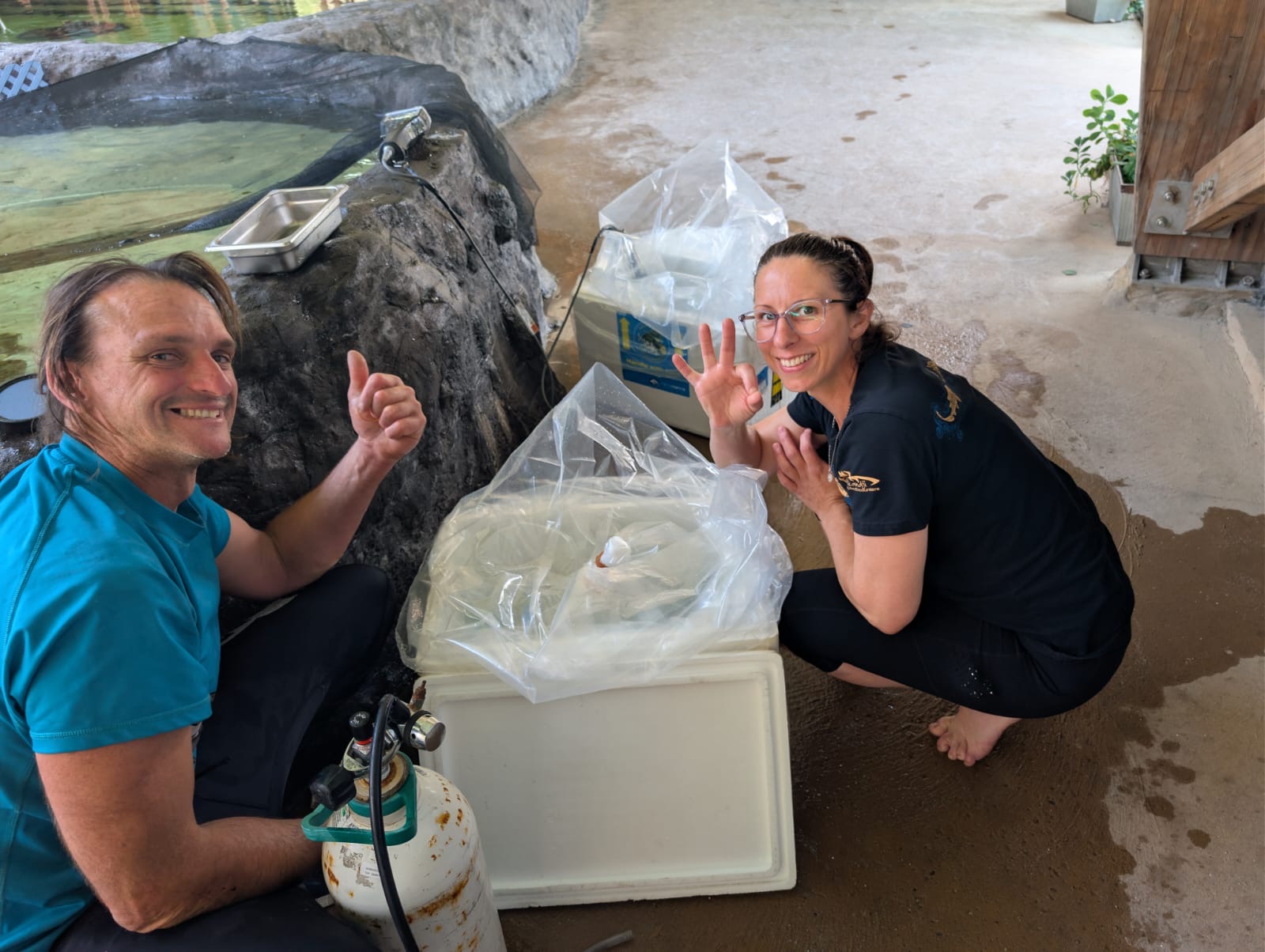
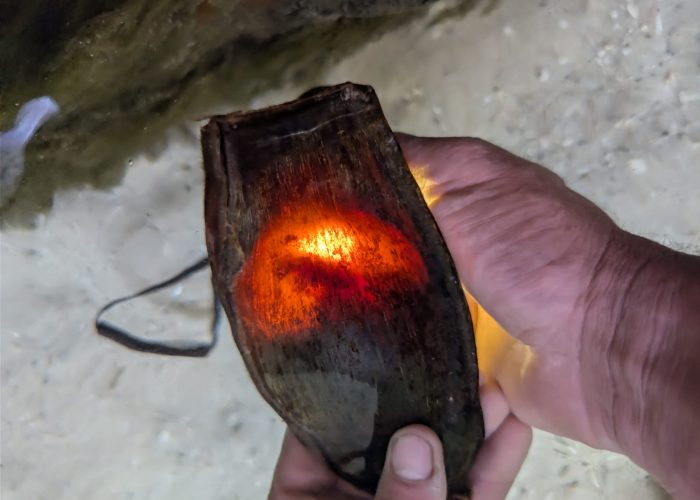
In 2025, Irukandji successfully passed parthenote testing and joined the select group of approved breeding facilities contributing viable, genetically valuable zebra shark eggs to the program. After years of refining husbandry practices and improving reproductive success, our team is proud to announce that three Irukandji-bred zebra shark eggs were shipped to Indonesia, marking our first direct contribution to the rewilding effort.
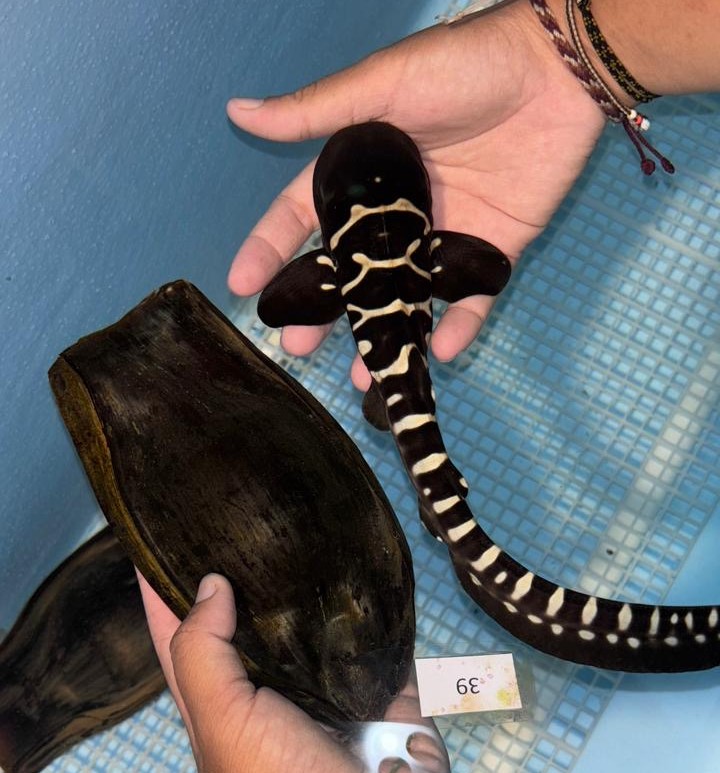
In early 2026, we were thrilled to share that two of our eggs had hatched; welcoming two beautiful male pups into the world. This is a massive milestone for Irukandji and we could not be prouder of all who helped make this dream come true.
This milestone represents a major step forward in our conservation journey, and we’re incredibly proud to stand alongside partner institutions around the world as committed ReSharkers.
The StAR Rewilding Program
A Global Mission to Restore Endangered Zebra Sharks
The StAR (Stegostoma tigrinum Augmentation and Recovery) Project is a groundbreaking international conservation initiative dedicated to rebuilding wild zebra shark populations. Once abundant across warm Indo-Pacific waters, zebra sharks have suffered dramatic declines due to overfishing and habitat loss.
To reverse this trajectory, StAR brings together aquariums, scientists, and conservation organisations to breed genetically diverse zebra sharks and reintroduce them to protected coastal areas across Indonesia — with expansion now underway in Thailand.
How the StAR Project Works
Clear, science-based steps toward rewilding success:
Breeding
Approved aquariums and zoos collect and breed zebra sharks, using advanced reproductive techniques, including artificial insemination, to maximise genetic diversity and strengthen future populations.
Acclimatisation
Once hatched, juvenile sharks are transferred to purpose-built sea pens within their native range. Here, they adjust to local water temperatures, learn natural foraging behaviours, and prepare for independent life in the wild.
Release
When strong and ready, the sharks are released into protected marine zones where they are safeguarded from illegal fishing. One of the biggest threats to their survival.
Scientific Support
The program is backed by rigorous science, including Population Viability Analyses, to determine optimal release locations, population targets, and long-term sustainability.
Program Goals
The StAR initiative is built on a clear set of conservation goals designed to rebuild healthy zebra shark populations and support the long-term recovery of their ecosystems. These goals shape every stage of the program, from breeding and acclimatisation to release and scientific monitoring.

Restore wild zebra shark populations and reverse their decline.
Re-establish a self-sustaining, genetically healthy population in key regions.
Strengthen marine ecosystems by returning a species essential to ecosystem balance.
Create a replicable, science-driven blueprint for future shark and ray recovery worldwide.